How Boutique Senior Care Residences Improve Activities of Daily Living
Business Name: BeeHive Homes of Albuquerque West
Address: 6000 Whiteman Dr NW, Albuquerque, NM 87120
Phone: (505) 302-1919
BeeHive Homes of Albuquerque West
At BeeHive Homes of Albuquerque West, New Mexico, we provide exceptional assisted living in a warm, home-like environment. Residents enjoy private, spacious rooms with ADA-approved bathrooms, delicious home-cooked meals served three times daily, and the benefits of a small, close-knit community. Our compassionate staff offers personalized care and assistance with daily activities, always prioritizing dignity and well-being. With engaging activities that promote health and happiness, BeeHive Homes creates a place where residents truly feel at home. Schedule a tour today and experience the difference.
6000 Whiteman Dr NW, Albuquerque, NM 87120
Business Hours
Families hardly ever start looking into care alternatives because whatever is going well. Generally there has actually been a fall, a frightening minute with medication, or a sluggish accumulation of small worries that lastly seems like excessive. In those discussions, the very same concerns show up: Will Mom still have the ability to shower securely? Who will make certain Dad is consuming real meals, not just toast? How do we keep them strolling, dressing, and handling fundamental tasks for as long as possible?
Those everyday tasks are what specialists call Activities of Daily Living, or ADLs. The method a home is arranged around ADLs typically matters more than its features, its décor, or its marketing language. This is where boutique senior care homes can quietly excel.
I have actually strolled through lots of big assisted living neighborhoods and a similar number of smaller, boutique-style senior care homes. What stays with me is not the chandeliers or the recreation room. It is the method a caretaker carefully hints a resident to shift weight before a transfer, or how a resident's preferred cardigan is always awaiting the exact same area so dressing feels easy instead of confusing.
This post looks closely at how store senior care homes can enhance ADLs, how they differ from larger assisted living settings, and how households can evaluate whether a particular home is likely to assist their loved one not just live longer, but live better.
What ADLs Actually Mean in Daily Life
Professionals tend to group Activities of Daily Living into a familiar core: bathing, dressing, grooming, toileting, moving, and eating. Numerous also discuss "critical" activities, like managing medications, utilizing a phone, shopping, or preparing meals.
Those classifications work for evaluation, however families generally experience them more personally:
A daughter notices her father is all of a sudden using the very same shirt numerous days in a row and bristles when she recommends a shower. A partner understands her other half is "forgetting" to shave, which for him would have been unimaginable a couple of years previously. A kid opens the fridge and sees half-eaten containers and random items, not genuine meals.
Struggles with ADLs signify more than physical decline. They typically expose cognitive changes, state of mind shifts, or losses in confidence. When ADLs slip, individuals withdraw. They prevent visitors, feel ashamed, and their danger of falls, infections, and hospitalization climbs.
The best senior care environments deal with ADLs as opportunities to support identity and self-respect, not just tasks on a list. That is where the store technique can make a real difference.
What Defines a Store Senior Care Home
"Store" is not a regulated term. It tends to describe smaller, more customized senior care settings, frequently with:
Fewer locals, in some cases 6 to 20 rather than 80 to 150. A residential feel, such as transformed single-family homes or purpose-built however small-scale structures. Higher staff-to-resident ratios and more steady groups. More versatility in regimens and menus.
Boutique homes might be accredited as assisted living, residential care, or board-and-care, depending on the state. Some focus on memory care, others on general elderly care, and some deal short-term respite care stays in addition to long-term residence.
The core function is not luxury. It is scale. With less people to support, staff can take note of how each resident really lives: which side they choose to get out of bed, whether they like to shower in the morning or in the evening, for how long they generally sit before their back stiffens.
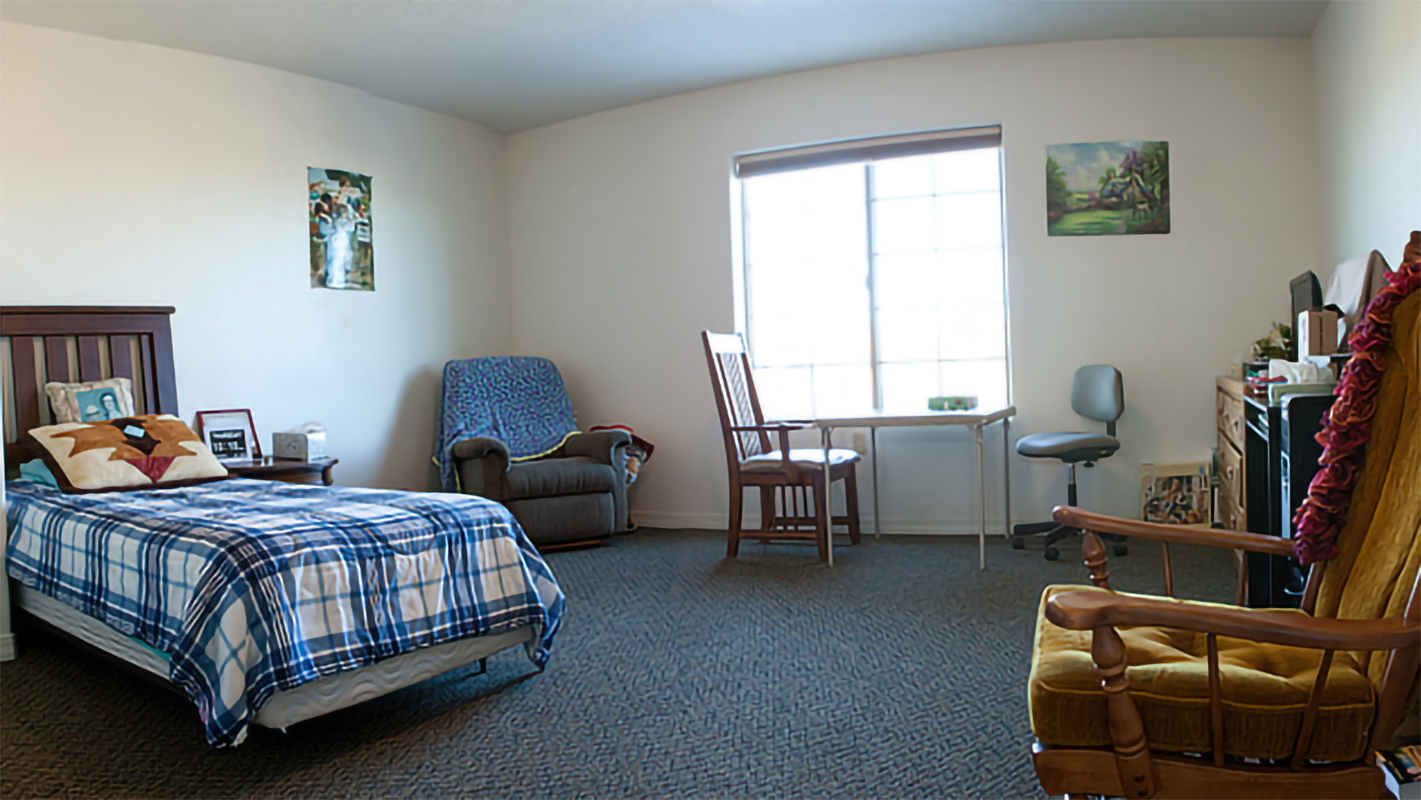
Those small observations are what preserve ADLs over time.
Why Size and Scale Matter for ADLs
In a large assisted living neighborhood, morning care often has to run like a production line. Staff are appointed a long list of citizens to help up, toileted, bathed or showered, and dressed, all before breakfast ends. Even with caring personnel, the speed motivates shortcuts. If buttoning is sluggish, they button for the resident. If strolling from bed room to dining-room takes 10 minutes, they might push a wheelchair instead.
The result is subtle but significant. What the resident might do with time and cueing gets taken control of. Within months, the resident does less, the muscles decondition, and the ADL score drops. Families often presume this is the disease advancing. Typically, it is the environment quietly speeding up the decline.
In a shop senior care home, staff normally support fewer homeowners per shift. I have seen caretakers sit on the edge of the bed and wait through a long silence while a resident organizes herself to stand. No rushing, no visible impatience. That additional two minutes makes the distinction in between "reliant" and "requires some support."
A resident who continues to transfer with support instead of be raised or wheeled maintains leg strength, blood circulation, and a sense of company. Those details substance over years.
Physical Environment as an ADL Tool
One of the greatest benefits of shop homes is that the building itself can be arranged around how individuals in fact move through their day.
Hallways tend to be much shorter. Ranges between bedroom, restroom, and dining area are less intimidating. For someone with arthritis or moderate heart failure, that can imply the distinction in between strolling independently and needing a wheelchair. Bathrooms can be personalized more firmly to the resident's requirements: grab bars placed to match a person's height and dominant hand, shower heads decreased or handheld, shelving arranged so favorite items are always in arm's reach.
Lighting and sound levels matter more than a lot of families understand. In a smaller, quieter space, a resident can better hear a caregiver's verbal hints: "Move your hand along the rail. Great. Now lean forward just a little." That improves both safety and confidence.
I went to a 10-bed home where staff discovered one resident regularly refused night showers. Rather than chalk it approximately "behaviors," they paid attention. The corridor to the restroom was dim; her space was brilliant. They added a warm, continuous light along the course and a nightlight in the restroom. Within a few days, her resistance softened. It was not about stubbornness. It was about depth perception and worry of falling in low light.
Boutique settings can make small, quick modifications like this without a committee meeting or a six-month capital strategy. That responsiveness shows up in ADL performance.
Staff Relationships and the Power of Familiarity
ADLs are intimate. Helping a person bathe, toilet, gown, or manage incontinence requires trust. In big neighborhoods where staff turnover is high, locals may see a carousel of unknown faces. For someone with dementia or anxiety, that is a significant barrier to accepting help.
In lots of shop homes, the personnel is smaller, and schedules are more predictable. A resident might see the exact same caretaker three or four days each week, on the exact same shift. Familiarity grows, and with it, cooperation.
A resident who refuses a shower from a brand-new aide may accept one from "Ana who understands my cream." A caretaker who has actually seen a resident through excellent and bad days can frequently expect what will assist on a rough early morning: coffee initially, favorite music, a slower speed. That flexibility assists maintain ADLs, since the resident stays taken part in the procedure rather of retreating or shutting down.
For personnel, having an intimate understanding of "their" citizens also improves clinical judgment. A caregiver discovering that a typically constant walker is all of a sudden unsteady can flag a prospective urinary tract infection or medication concern early, long before a fall.
Individualized Routines Instead of Institutional Timetables
Rigid schedules are efficient for buildings, not always for bodies. Individuals do not age into uniformity. Some have always bathed in the evening, others very first thing in the early morning. Some need time to get up slowly before any needs are made.
Large assisted living operations frequently have to cluster showers and dressing assistance into narrow time windows to cover everybody. Store homes can stagger routines.
I dealt with a small home that had a resident who had always been a late sleeper. In her previous larger community, personnel woke her at 6:30 a.m. For "morning care" because that is how the project sheets were structured. She became upset, yelled, struck out, and was identified as having "tough behaviors."
In the boutique home, personnel accepted leave her undisturbed until 8:30 or 9, then provide breakfast in her room if she wished. Within a week, the "habits" had actually nearly vanished. She still required assistance with dressing and bathing, however she accepted it calmly and cooperatively. Her ADL ratings did not amazingly enhance, however her capability to participate in her care did, which is critical.
Boutique homes can likewise flex meal times, toileting schedules, and activity windows to match private habits. For ADLs, that indicates tasks are done when the resident is at their best, not when the structure needs it.
Supporting Mobility Instead of Changing It
One of the biggest fault lines between settings is how they deal with mobility. For personnel in a rush, a wheelchair is tempting. It feels faster and more secure. Yet moving a person prematurely to a wheelchair, or overusing it, is among the quickest routes to losing the capability to walk.
In the better boutique homes, you see a really intentional philosophy: protect and use whatever movement exists, even if it requires time. Personnel walk alongside homeowners, not in front of them pushing. They incorporate motion into everyday life instead of restricting it to "work out class."
Examples from practice:
A resident who is unsteady on unequal surfaces goes outside daily anyhow, but only on a thoroughly chosen route, with a gait belt and close guidance. A man who constantly liked to "fix things" is invited to help bring light tools or hold a flashlight when minor repairs are done, giving him purposeful walking.
That kind of integration matters more than an arranged 30-minute exercise. ADLs like moving, toileting, and dressing all depend on leg strength, balance, and self-confidence to move. By keeping mobility part of real life, shop homes lengthen those capacities.
When official rehab is involved, such as after hip surgical treatment or stroke, a small setting can frequently coordinate more perfectly with physical and physical therapists. Personnel get useful coaching at the bedside: where to stand throughout transfers, what kind of spoken cueing is suggested, how much assistance to provide and when to hold back. This tight feedback loop improves carryover into ADLs.
Bathing, Dressing, and Grooming With Dignity
Bathing is typically the hardest ADL for households to manage at home, and the one they most fear handing over to strangers. In practice, how a home manages bathing tells you a great deal about its culture.
In a store environment, it is easier to do the following:
Limit the number of various caretakers who help a resident in the shower, to construct trust. Change the speed to the individual's anxiety level, even if that suggests dispersing bathing tasks over 2 much shorter sessions rather than one long one. Usage individual preferences: water temperature, particular soaps, whether the individual likes to clean their own hair or have it done for them.

Dressing and grooming follow the exact same pattern. Smaller homes are more likely to appreciate a person's clothes design rather than push everyone into elastic-waist trousers and zip-up coats "for practicality." For some locals, being able to choose a tie, a piece of jewelry, or a particular sweatshirt is more than vanity. It is connection of self.
I keep in mind a retired instructor with mild dementia whose household was amazed at how well she continued to dress and groom herself in a 12-bed setting. The factor was not complicated. Staff established her clothes in the same order, in the very same drawer, at the same time every day, and cued her step by step, without hurrying. In her previous bigger setting, staff had actually typically simply dressed her to save time. The difference was not the building. It was the time and attention.
Nutrition and Mealtime as ADL Support
Eating is technically an ADL, but it is also a gathering, a cultural ritual, and a significant chauffeur of physical health. Boutique senior care homes can turn mealtime into active support for independence rather than passive feeding.
Smaller dining spaces decrease noise and confusion, which helps locals with dementia focus on the task of eating. Personnel can sit with citizens, not just distribute, and provide mild triggers: "Here is your fork. Attempt a bite of the chicken." Menus can be adapted rapidly. If staff notice that 3 citizens regularly leave the majority of the meat, they can adjust textures or gravies without a bureaucracy.
For residents who fight with fine motor abilities, smaller homes can experiment with various plate rims, adaptive utensils, or finger-food variations of the exact same meals. The goal is to keep the resident feeding themselves as long as possible, with peaceful, behind-the-scenes adaptation instead of obvious "unique treatment" that might feel infantilizing.
Hydration is another subtle ADL assistance. In a store setting, staff typically understand who prefers iced water, who drinks more if the cup has a straw, and who will just consume tea if it is made a specific way. Those individual details impact kidney function, high blood pressure, and fall risk.
Social and Emotional Layers of ADLs
You can not separate ADLs from state of mind. An individual who is lonesome or depressed frequently loses interest in bathing, grooming, or perhaps eating. A smaller, more relational home can catch and attend to those emotional shifts faster.
Familiar personnel notification when someone withdraws from typical routines. That may be the resident who always liked to sit by the window now staying in bed, or the woman who enjoyed having her hair curled suddenly saying "do not bother." In a shop home, personnel often have time to sit and ask questions, or a minimum of alert a nurse or social employee, instead of dealing with the change as easy stubbornness.
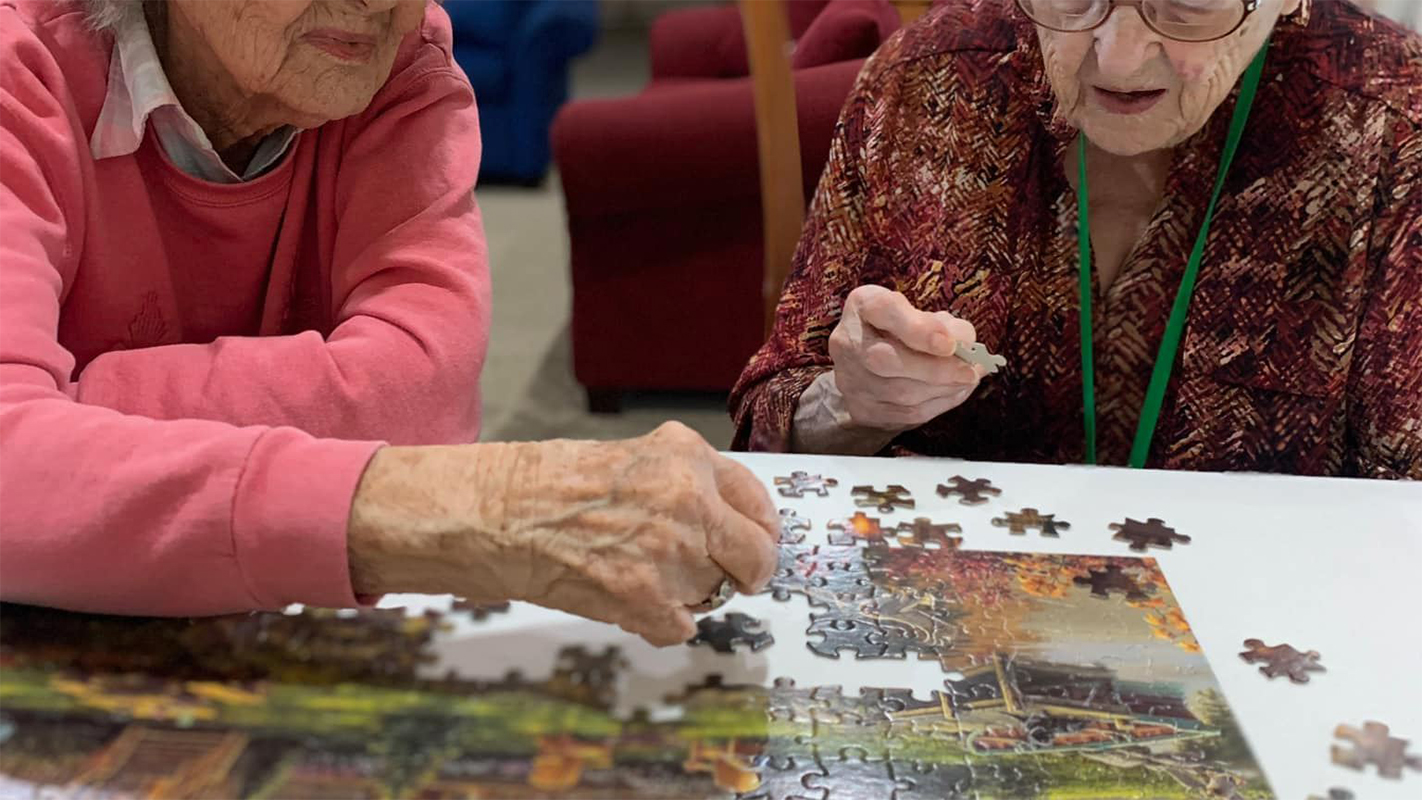
Group size also affects social comfort. Some citizens find large activity rooms and big-group occasions overwhelming. They might avoid them and become labeled as "not participating." In a store senior care home, activities can be smaller and more spontaneous. Two citizens folding laundry together, or one assisting to shell peas in the kitchen area, can be more significant than an arranged bingo hour.
That sense of belonging feeds back into ADLs. People are more willing to get dressed, groomed, and come to the table when they know they will see familiar faces and feel beneficial, not simply be parked in front of a television.
Where Boutique Houses Excel Compared With Big Assisted Living
Large assisted living neighborhoods are not inherently bad options. They typically have strong scientific resources, on-site treatment, and a larger variety of structured activities. The concern is fit.
For ADL support, shop homes tend to exceed in a few practical ways:
- Staff-to-resident ratios are typically higher, so caretakers can provide more one-on-one time for bathing, dressing, toileting, and mobility, which preserves capabilities longer.
- Routines are more flexible, so homeowners can shower, eat, and sleep sometimes that match their life time routines, which lowers resistance and improves cooperation.
- Physical designs are easier and ranges much shorter, that makes walking, toileting, and finding one's room or the dining area much easier, specifically for those with dementia.
- Relationships are more stable and familiar, which increases trust and minimizes anxiety around intimate care like bathing and toileting.
- Small adjustments can be made quickly, such as modifying restrooms, seating, or meal arrangements for someone, without having to revamp an entire unit.
Families weighing a bigger assisted living facility versus a boutique senior care home need to not just compare facilities. They ought to ask, really straight, how this location will keep their loved one walking, consuming, grooming, and utilizing the restroom as independently and safely as possible.
The Function of Store Homes in Respite Care
Not every household is searching for long-term placement. Sometimes the instant need is breathing space: a spouse who has actually been offering 24-hour elderly care requirements surgery, or an adult kid caregiver is stressing out and requires a brief reset.
Short-term respite care in a store home can be important in two directions. The caregiver gets a break, and the older adult gains direct exposure to a structured environment that actively supports ADLs.
During a two or 4 week respite stay, staff can typically:
Re-establish safe bathing regimens that have actually slipped in the house. Improve toileting schedules and address constipation or incontinence. Get eyes on movement problems, possibly involve a therapist, and send the resident home with a much better prepare for transfers and walking.
Families sometimes report that their loved one returns from respite "doing much better" with everyday tasks than in the past. That is normally not magic. It is merely the effect of consistent cueing, practiced transfers, and steady nutrition and hydration.
Respite stays are likewise a low-commitment way to assess a shop home as a possible future option. Viewing how staff assisted living albuquerque support ADLs during a short stay can inform you a lot about what longer-term life there would look like.
Trade-offs, Cost, and Practical Expectations
Boutique senior care homes are not the ideal suitable for every scenario. Trade-offs are real.
Cost can be greater per resident than in big assisted living facilities, particularly in urban markets where home worths are high. Some store homes are personal pay only, with restricted approval of long-lasting care insurance coverage or Medicaid waivers.
Clinical resources vary. A smaller home may not have on-site nurses 24/7 or instant access to rehab services. For homeowners with intricate medical requirements, such as regular IV medications or sophisticated ventilator assistance, a skilled nursing facility may be better in spite of its more institutional feel.
Even in strong store homes, not every ADL can be completely preserved. Progressive dementias, severe chronic diseases, and frailty will eventually lower self-reliance, no matter how excellent the care. What families can reasonably expect is a slower, gentler trajectory of decrease, fewer crises, and more dignity in the process.
Part of the professional role in senior care is to assist households set expectations. A boutique setting can improve safety and quality of life, but it can not restore a level of function that the person has actually clearly lost. The focus is often on preserving what remains, compensating smartly where required, and avoiding intensifying harm by doing excessive for the resident too soon.
What to Ask When Assessing a Boutique Senior Care Home
Tours tend to stress décor and social shows. To comprehend how a home supports ADLs, you require more pointed questions. Utilized together, the following short list can help:
- Ask for particular staff-to-resident ratios on days, evenings, and nights, and for how long the average caregiver has worked there, to determine stability and capacity for one-on-one ADL support.
- Observe bathrooms and bedrooms for individualized setup: get bars, adaptive equipment, clothing organization, and proof that areas are tailored to people rather than standardized.
- Ask how they handle a resident who refuses a shower or withstands toileting, and listen for nuanced, person-centered strategies instead of talk of "compliance."
- Inquire about collaboration with physical and physical therapists after hospitalizations, and how therapy suggestions are incorporated into everyday care.
- Speak directly with caregivers, not just administrators, about how they assist homeowners stroll, move, consume, and gown; frontline personnel will expose the real culture.
If the responses are vague or greatly scripted, that is a warning sign. Houses that really focus on ADLs can talk concretely about how their regimens differ from a more institutional assisted living model, and they can offer particular examples without revealing personal details.
Bringing All of it Together
The core promise of any senior care setting, whether labeled assisted living, memory care, or residential care, is that standard daily requirements will be satisfied reliably and respectfully. Store senior care homes make that pledge in a particular method: through small scale, close relationships, and an environment that flexes to the individual, not the other way around.
For households, the choice is rarely simple. Yet when you strip away marketing language and amenities, one question typically cuts through the noise: Where is my loved one more than likely to continue bathing, dressing, strolling, eating, and handling the details of everyday life in such a way that feels like them?
For lots of older adults, especially those overwhelmed by large crowds or stiff timetables, a thoughtfully run store senior care home is a strong answer.
BeeHive Homes of Albuquerque West provides assisted living care
BeeHive Homes of Albuquerque West provides memory care services
BeeHive Homes of Albuquerque West provides respite care services
BeeHive Homes of Albuquerque West offers support from professional caregivers
BeeHive Homes of Albuquerque West offers private bedrooms with private bathrooms
BeeHive Homes of Albuquerque West provides medication monitoring and documentation
BeeHive Homes of Albuquerque West serves dietitian-approved meals
BeeHive Homes of Albuquerque West provides housekeeping services
BeeHive Homes of Albuquerque West provides laundry services
BeeHive Homes of Albuquerque West offers community dining and social engagement activities
BeeHive Homes of Albuquerque West features life enrichment activities
BeeHive Homes of Albuquerque West supports personal care assistance during meals and daily routines
BeeHive Homes of Albuquerque West promotes frequent physical and mental exercise opportunities
BeeHive Homes of Albuquerque West provides a home-like residential environment
BeeHive Homes of Albuquerque West creates customized care plans as residents’ needs change
BeeHive Homes of Albuquerque West assesses individual resident care needs
BeeHive Homes of Albuquerque West accepts private pay and long-term care insurance
BeeHive Homes of Albuquerque West assists qualified veterans with Aid and Attendance benefits
BeeHive Homes of Albuquerque West encourages meaningful resident-to-staff relationships
BeeHive Homes of Albuquerque West delivers compassionate, attentive senior care focused on dignity and comfort
BeeHive Homes of Albuquerque West has a phone number of (505) 302-1919
BeeHive Homes of Albuquerque West has an address of 6000 Whiteman Dr NW, Albuquerque, NM 87120
BeeHive Homes of Albuquerque West has a website https://beehivehomes.com/locations/albuquerque-west/
BeeHive Homes of Albuquerque West has Google Maps listing https://maps.app.goo.gl/R1bEL8jYMtgheUH96
BeeHive Homes of Albuquerque West has Facebook page https://www.facebook.com/BeehiveABQW/
BeeHive Homes of Albuquerque West won Top Assisted Living Homes 2025
BeeHive Homes of Albuquerque West earned Best Customer Service Award 2024
BeeHive Homes of Albuquerque West placed 1st for Senior Living Communities 2025
People Also Ask about BeeHive Homes of Albuquerque West
What is BeeHive Homes of Albuquerque West monthly room rate?
Our base rate is $6,900 per month, but the rate each resident pays depends on the level of care that is needed. We do an initial evaluation for each potential resident to determine the level of care needed. The monthly rate is based on this evaluation. We also charge a one-time community fee of $2,000.
Can residents stay in BeeHive Homes of Albuquerque West until the end of their life?
Usually yes. There are exceptions, such as when there are safety issues with the resident, or they need 24 hour skilled nursing services.
Does Medicare or Medicaid pay for a stay at Bee Hive Homes?
Medicare pays for hospital and nursing home stays, but does not pay for assisted living as a covered benefit. Some assisted living facilities are Medicaid providers but we are not. We do accept private pay, long-term care insurance, and we can assist qualified Veterans with approval for the Aid and Attendance program.
Do we have a nurse on staff?
We do have a nurse on contract who is available as a resource to our staff but our residents' needs do not require a nurse on-site. We always have trained caregivers in the home and awake around the clock.
Do we allow pets at Bee Hive?
Yes, we allow small pets as long as the resident is able to care for them. State regulations require that we have evidence of current immunizations for any required shots.
Do we have a pharmacy that fills prescriptions?
We do have a relationship with an excellent pharmacy that is able to deliver to us and packages most medications in punch-cards, which improves storage and safety. We can work with any pharmacy you choose but do highly recommend our institutional pharmacy partner.
Do we offer medication administration?
Our caregivers are trained in assisting with medication administration. They assist the residents in getting the right medications at the right times, and we store all medications securely. In some situations we can assist a diabetic resident to self-administer insulin injections. We also have the services of a pharmacist for regular medication reviews to ensure our residents are getting the most appropriate medications for their needs.
Where is BeeHive Homes of Albuquerque West located?
BeeHive Homes of Albuquerque West is conveniently located at 6000 Whiteman Dr NW, Albuquerque, NM 87120. You can easily find directions on Google Maps or call at (505) 302-1919 Monday through Sunday 10am to 7pm
How can I contact BeeHive Homes of Albuquerque West?
You can contact BeeHive Homes of Albuquerque West by phone at: (505) 302-1919, visit their website at https://beehivehomes.com/locations/albuquerque-west, or connect on social media via Facebook
Residents may take a trip to the Petroglyph National Monument which offers scenic views and cultural significance that make it a meaningful outdoor destination for assisted living, memory care, senior care, elderly care, and respite care outings.